A wonderful use case of visual digital twins is robotic surgery. But modern robots do the physical surgery remotely while being controlled by the expert surgeon. Many surgeries are complex and every surgeon wished to have 10 arms.
A team of doctors and nurses assist the surgeon and observe if all vital signs of the patient stay in the expected order. This is not about robots that do fully autonomous surgery, this is for the future.
For example, if the surgeon wants to remove a tumour, a lot of vessels are impacted and unexpected bleeding can occur or the blood circulation suddenly fails. If the surgeon makes a cut in one place, it may lead to bleeding somewhere else. A robot can supervise all these activities and vital signs and alert the surgeon.
With machine learning the robot will learn situation and eventually be able to predict critical situation and possible complications. It is the same concept as we use in predictive maintenance.
The flight deck allows the visualisation of the operation and the surgeon gets a feeling as if he would touch the real patient while it is in reality only the remote control.
The AI and simulation engine takes real-time data and gives alert when something abnormal happens. If the surgeon is about to do a risky action the robot will asks to reconfirm. Really stunning is the ability to take probes from the patient and then use the AI for a real-time search in the world's medical databases and get pathology results in seconds while the operation is still ongoing.
Karoona CIOS in Robotic Surgery
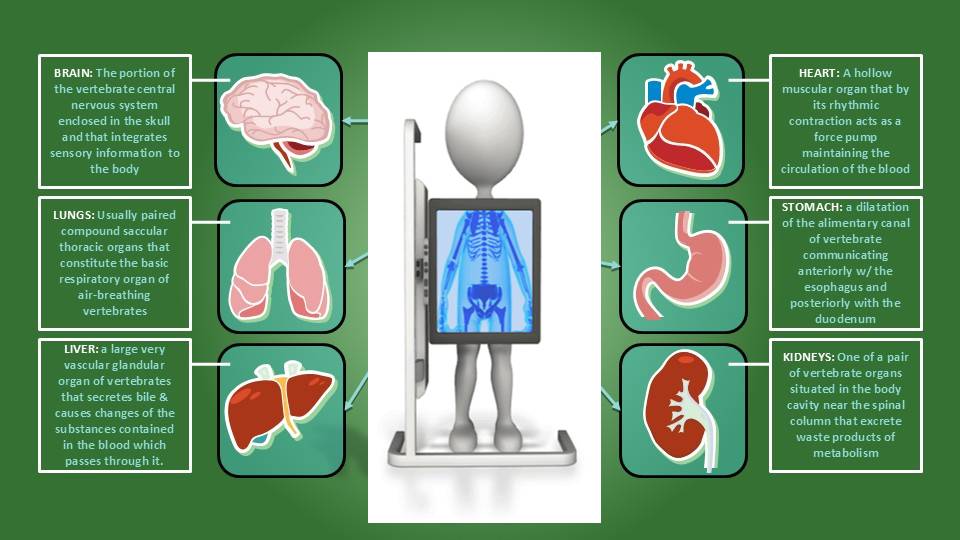
CIOS Use Cases in Robotic Surgery